Supreme Court Blocks Va. Voting Map
Supreme Court Blocks Effort to Revive Virginia Voting Map
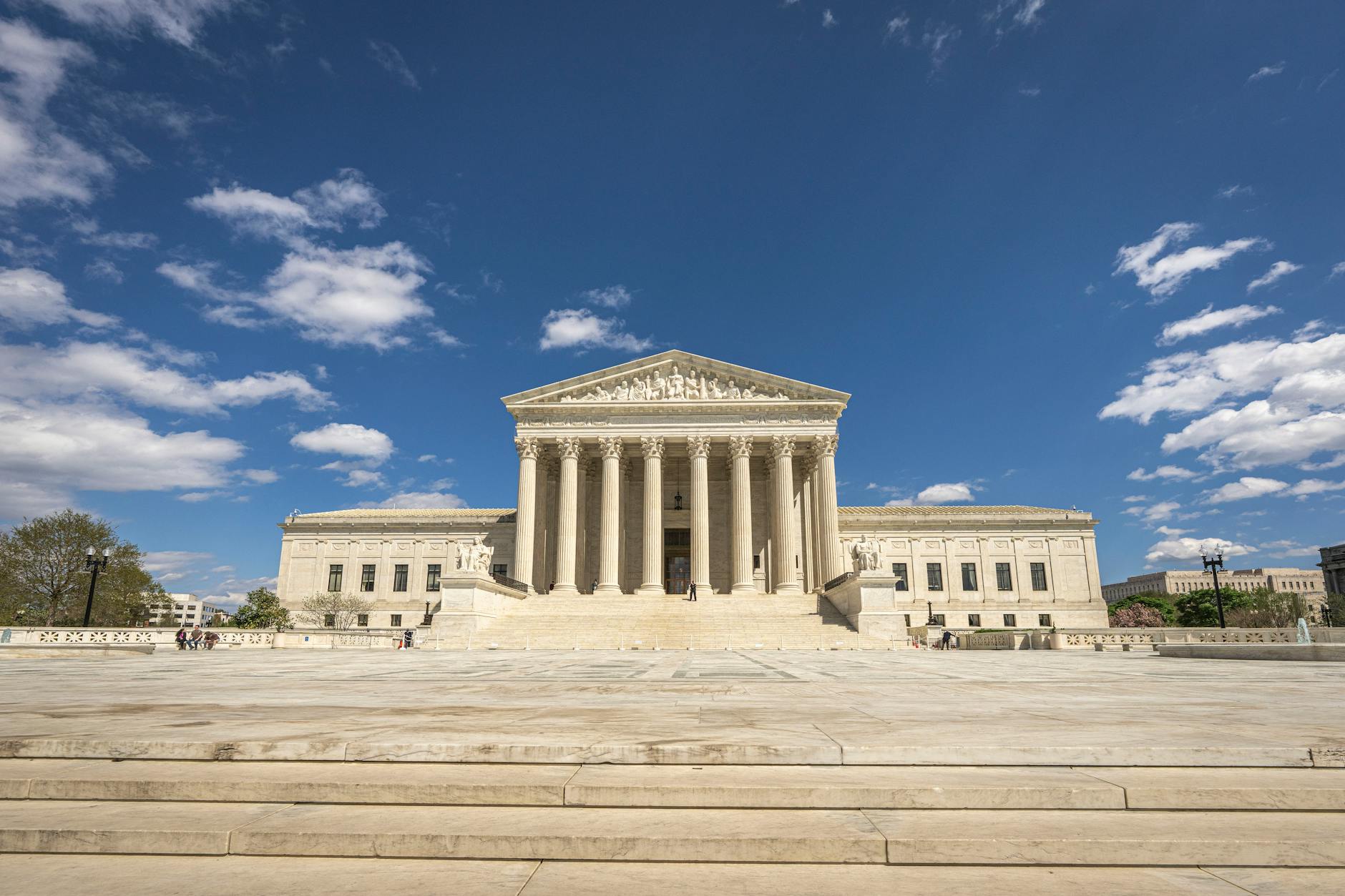
The Supreme Court has blocked an effort to revive a Virginia voting map that was seen as bolstering Democrats. The decision, which was announced on Monday, is a significant setback for Democrats who had been seeking to use the map to gain an advantage in the state's congressional elections.
The map, which was drawn by a lower court, would have given Democrats a significant advantage in the state's congressional elections. However, the Supreme Court's decision means that the current map, which is seen as more favorable to Republicans, will remain in place.
Background on the Case
The case began when a group of Democrats challenged the current voting map in court, arguing that it was gerrymandered to favor Republicans. A lower court agreed, and drew a new map that was seen as more favorable to Democrats.
However, Republicans appealed the decision to the Supreme Court, arguing that the lower court had overstepped its authority. The Supreme Court agreed to hear the case, and on Monday, it announced its decision to block the new map.
Implications of the Decision
The Supreme Court's decision has significant implications for the upcoming congressional elections in Virginia. With the current map remaining in place, Republicans are seen as having a significant advantage in the state.
Democrats, on the other hand, are seen as facing an uphill battle in their efforts to gain control of the state's congressional delegation. The decision is also seen as a setback for efforts to address gerrymandering in the state.
- The Supreme Court's decision is a significant setback for Democrats in Virginia.
- The decision means that the current voting map, which is seen as more favorable to Republicans, will remain in place.
- The map is seen as giving Republicans a significant advantage in the state's congressional elections.
- Democrats had been seeking to use the new map to gain an advantage in the state's congressional elections.
The decision is a significant development in the ongoing debate over gerrymandering in the United States. It highlights the challenges faced by those seeking to address the issue, and the importance of the Supreme Court in shaping the electoral landscape.